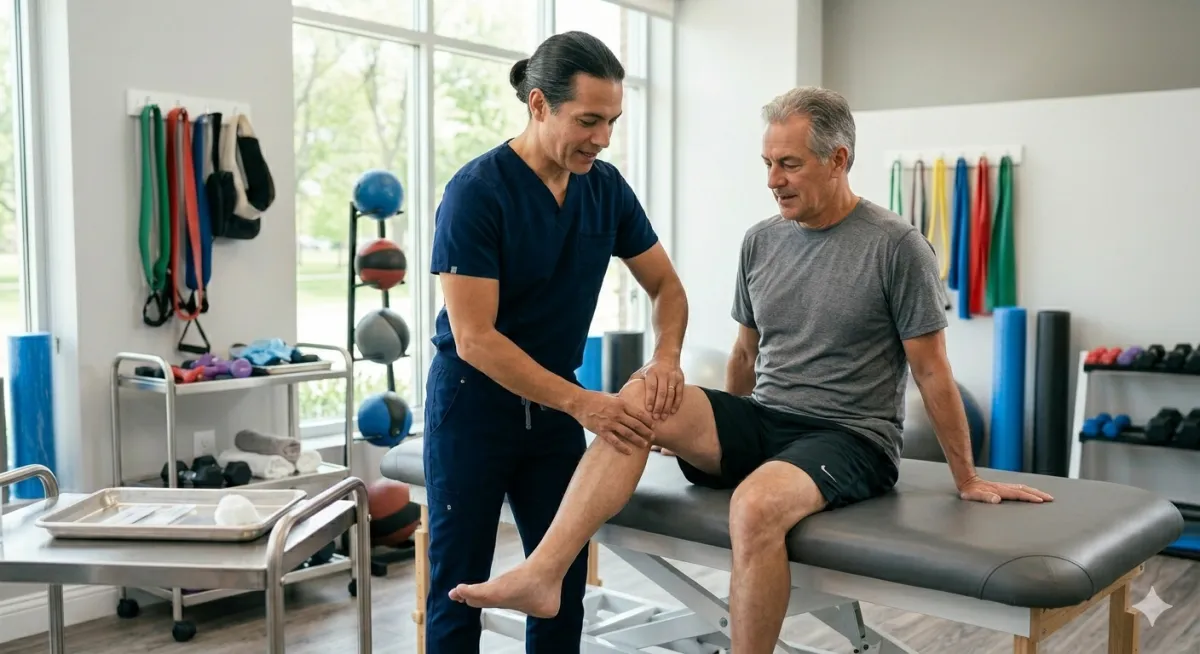
Knee Pain Treatment in NJ | Physical Therapy That Works
Knee Pain Treatment: What Is Causing Your Pain and How Physical Therapy Can Help
Your knees carry you through everything. Walking, climbing stairs, getting in and out of your car, playing with your kids, exercising, working on your feet. So when knee pain shows up, it does not just affect your knee. It affects your entire life. If you have been dealing with knee pain that will not go away, or a knee injury that is keeping you from doing what you love, knee pain treatment through physical therapy can get you back on track without surgery or painkillers.
At NJ Rehab Experts, knee pain is one of the top reasons patients come to see us. Our therapists evaluate the cause of your pain, not just the symptoms, and build a treatment plan designed to get you moving again and keep you there.
Common Causes of Knee Pain
The knee is a complex joint that relies on ligaments, tendons, cartilage, and muscles all working together. When any of these structures is injured, worn down, or out of balance, pain follows. Here are the most common causes of knee pain we treat at our clinics.
Ligament Injuries
The four main ligaments in the knee (ACL, PCL, MCL, and LCL) can be sprained or torn from sudden twists, pivots, or direct impacts. ACL tears are among the most well-known knee injuries, especially in athletes who play soccer, basketball, football, and skiing. Whether you have had surgery or are treating it conservatively, ACL rehab through physical therapy is essential for a full recovery.
Meniscus Tears
The meniscus is a C-shaped piece of cartilage that cushions the space between your thighbone and shinbone. Tears can happen from a sudden twist during sports or from gradual wear over time. Meniscus tears cause pain, swelling, stiffness, and sometimes a catching or locking sensation in the knee.
Patellofemoral Pain Syndrome (Runner's Knee)
This is one of the most common causes of knee pain in active people. It causes pain around or behind the kneecap, especially during squatting, climbing stairs, running, or sitting for long periods. It is usually caused by muscle imbalances around the hip and knee rather than structural damage, which is why physical therapy is the primary treatment.
Osteoarthritis
Knee osteoarthritis is the gradual breakdown of cartilage in the joint. It causes stiffness, swelling, and aching pain that tends to get worse with activity and improve with rest. It is most common in adults over 50 but can develop earlier after injuries. Physical therapy is one of the most effective treatments for managing arthritis pain and maintaining knee function without surgery.
IT Band Syndrome
The iliotibial band runs along the outside of your thigh from your hip to your knee. When it becomes tight or inflamed, it causes a sharp pain on the outer side of the knee, especially during running or cycling. This condition responds very well to targeted stretching, foam rolling, and hip strengthening.
Tendinitis (Patellar and Quadriceps)
Tendinitis is inflammation of a tendon, and in the knee it most commonly affects the patellar tendon (below the kneecap) or the quadriceps tendon (above the kneecap). It is common in runners, jumpers, and people who suddenly increase their activity level.
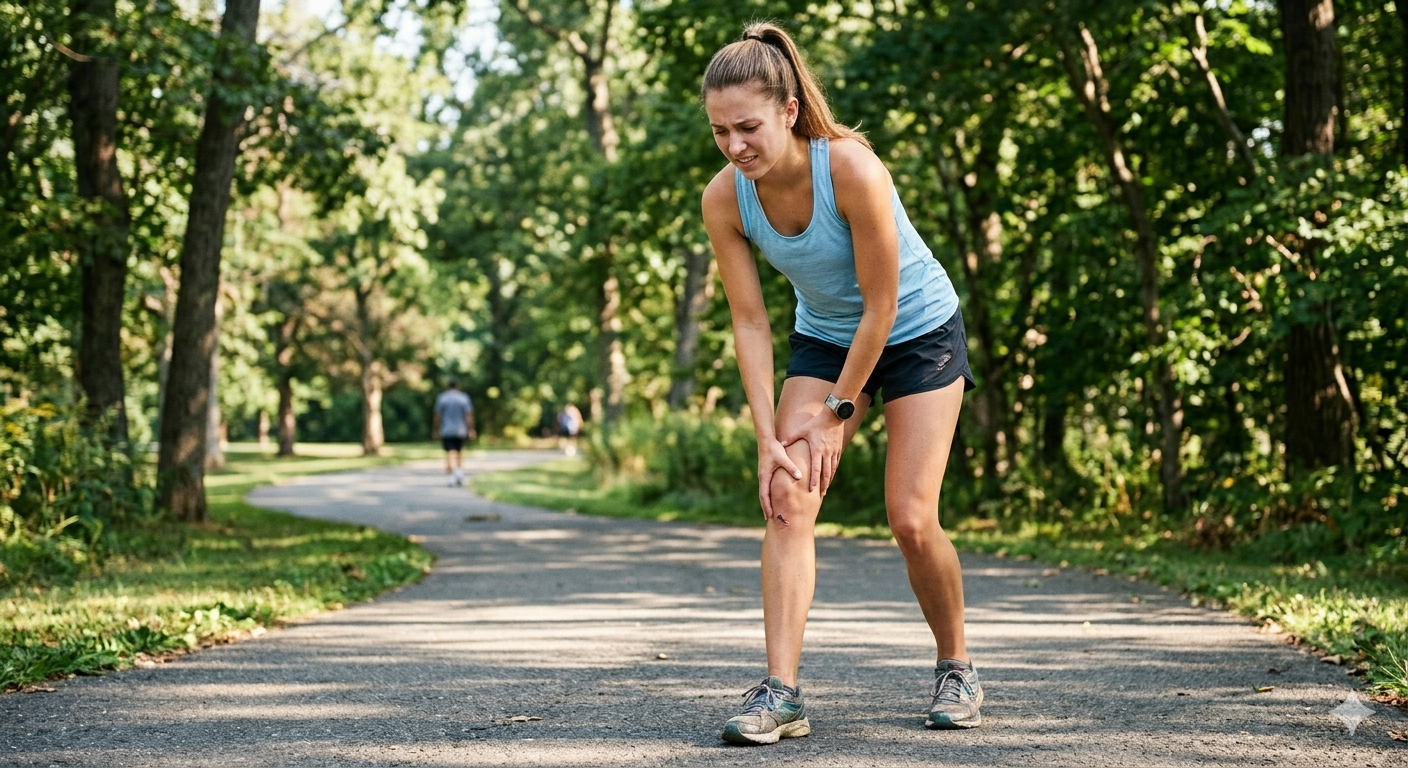
How Physical Therapy Treats Knee Pain
Knee pain treatment through physical therapy works because it addresses the root cause of your pain, not just the symptoms. Most knee problems are driven by weakness, tightness, or movement patterns in the muscles and joints surrounding the knee, particularly the hip, quadriceps, hamstrings, and calf.
Thorough Evaluation
Your first visit starts with a detailed assessment. Your therapist will test your knee range of motion, evaluate the stability of your ligaments, check your strength in the muscles around the knee and hip, analyze how you walk and move, and identify areas of tenderness or swelling. If appropriate, we also use our Fit3D body scanning system to capture baseline measurements of your posture and lower body alignment.
Strengthening the Right Muscles
The quadriceps, hamstrings, and gluteal muscles are the primary stabilizers of the knee. When these muscles are weak or imbalanced, the knee takes on stress it was not designed to handle. Your therapist will progressively strengthen these muscle groups using exercises tailored to your specific condition and activity level.
For runner's knee and patellofemoral pain, we emphasize hip and glute strengthening because the research consistently shows that hip weakness is a major contributor to kneecap tracking problems.
Manual Therapy
Hands-on techniques including joint mobilization, soft tissue release, and patellar mobilization help restore normal movement in and around the knee. For patients with stiffness after surgery or prolonged inactivity, manual therapy is critical for getting range of motion back.
Activity-Specific Rehabilitation
If your knee pain is related to running, sports, or a specific activity, we design your rehab program around that activity. Our sports physical therapy program includes sport-specific drills, return-to-run protocols, and progressive loading to make sure your knee can handle the demands you plan to put on it.
Shockwave Therapy for Chronic Tendon Pain
For patients with patellar tendinitis, Achilles tendinitis, or plantar fasciitis that has not responded to traditional therapy, shockwave therapy can restart the healing process. It uses acoustic waves to increase blood flow and stimulate tissue repair in chronically irritated tendons.
Dry Needling
Dry needling is effective for releasing tight muscles around the knee, including the quadriceps, IT band, calf, and hamstrings. By targeting trigger points and reducing muscle tension, dry needling helps restore normal movement patterns and reduces pain that is being caused by muscular dysfunction rather than structural damage.
Plantar Fasciitis: When Foot Pain Connects to Knee Problems
While plantar fasciitis is technically a foot condition, we treat it alongside knee pain for an important reason. The plantar fascia, the thick band of tissue running along the bottom of your foot, connects directly to your calf and influences how force travels up through your knee with every step.
Patients dealing with plantar fasciitis treatment often come to us with both heel pain and knee pain, and addressing only one without the other leads to incomplete recovery.
Plantar fasciitis responds well to a combination of calf stretching, foot intrinsic strengthening, shockwave therapy, and dry needling. We also assess your walking and running mechanics to identify any biomechanical issues that may be contributing to both your foot and knee symptoms.
What to Expect During Knee Pain Recovery
Recovery timelines vary depending on the condition, but here is a general overview of what most patients experience.
For muscle imbalances and patellofemoral pain, most patients feel significant improvement within 4 to 6 weeks of consistent physical therapy. The pain typically decreases within the first 2 weeks, and strength gains build progressively over the following month.
For meniscus tears treated conservatively, recovery usually takes 6 to 8 weeks. For post-surgical ACL rehab, the full return-to-sport process typically takes 9 to 12 months, with physical therapy progressing through distinct phases of healing, strengthening, and performance training.
For knee osteoarthritis, physical therapy provides ongoing management that reduces pain, improves function, and often delays or prevents the need for joint replacement surgery.
Your therapist will give you a home exercise program from your first visit. The exercises you do between sessions play a major role in your recovery speed.
Knee Pain Treatment Across New Jersey
NJ Rehab Experts provides injury rehabilitation and orthopedic physical therapy for all types of knee conditions at our four New Jersey locations in Jersey City, Clifton, Secaucus, and West Windsor.
Our Jersey City clinic treats patients from Hoboken and Bayonne dealing with knee pain from running, commuting, and active lifestyles. Our Clifton location serves patients from Passaic, Paterson, and Wayne. And our West Windsor clinic is convenient for residents near East Brunswick and Princeton.
We also treat conditions related to knee pain including post-accident injuries, workers' compensation injuries, and balance and fall prevention for patients whose knee problems are affecting their stability.
Visit our locations page to find the clinic closest to you.
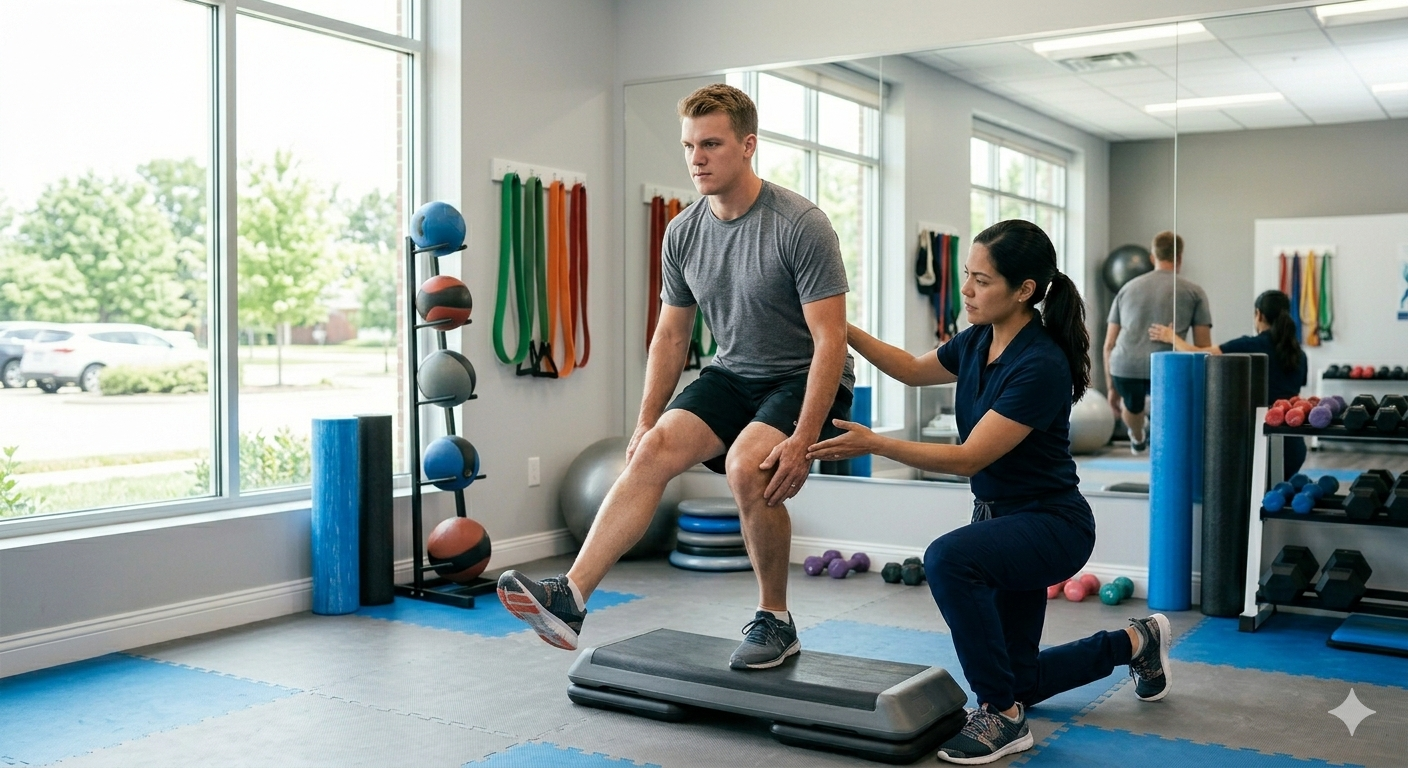
Stop Letting Knee Pain Hold You Back
Knee pain does not have to limit your life. Whether you are dealing with a sports injury, arthritis, a post-surgical recovery, or pain you cannot explain, our physical therapy team can help.
Call NJ Rehab Experts today at (212) 227-3233 or book your appointment online.
Same-week appointments available. Our staff can verify your insurance before your first visit through our insurance verification page.
Over 400 five-star reviews. Four locations. One goal: getting you back to the life you love.
