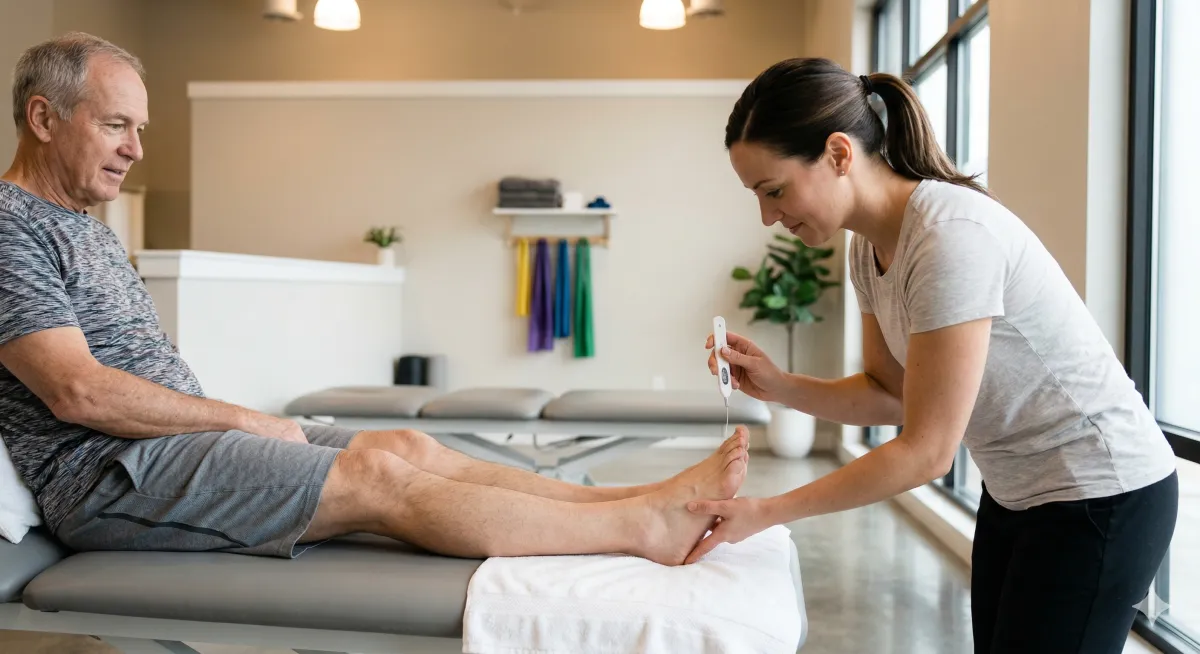
Numbness & Tingling Treatment in NJ | NJ Rehab Experts
Neuropathy Treatment: How Physical Therapy Helps Relieve Nerve Pain, Numbness, and Tingling
If you have been dealing with numbness in your feet, tingling in your hands, burning sensations, or a feeling like you are walking on pins and needles, you may be experiencing peripheral neuropathy. It is a frustrating condition because it can make everyday activities uncomfortable, affect your balance, and disrupt your sleep. The good news is that neuropathy treatment through physical therapy can significantly reduce your symptoms and improve your quality of life.
At NJ Rehab Experts, we provide specialized neuropathy rehabilitation at all four of our New Jersey clinics. Our approach combines targeted exercises, hands-on therapy, and advanced technology including our FDA-cleared NeuroMed Electroanalgesia system to deliver real results for patients who have often been told there is nothing more that can be done.
What Is Peripheral Neuropathy?
Peripheral neuropathy is damage to the peripheral nerves, the network of nerves that carry signals between your brain, spinal cord, and the rest of your body. When these nerves are damaged, they send incorrect signals or fail to send signals at all. The result is pain, numbness, tingling, weakness, or a combination of these symptoms, most commonly in the hands and feet.
Neuropathy affects millions of people and becomes more common with age. While it is often associated with diabetes, there are many other causes.
Common Causes of Neuropathy
Diabetes. This is the most common cause. High blood sugar levels over time damage the small blood vessels that supply nutrients to your nerves, particularly in the feet and legs.
Chemotherapy. Many cancer treatments are toxic to peripheral nerves. Chemotherapy-induced neuropathy can persist long after treatment ends.
Autoimmune conditions. Diseases like rheumatoid arthritis, lupus, and Guillain-Barre syndrome can trigger immune system attacks on the peripheral nerves.
Vitamin deficiencies. Low levels of vitamins B1, B6, B12, and E can cause nerve damage. This is common in patients with poor nutrition or absorption issues.
Compression and entrapment. Carpal tunnel syndrome, tarsal tunnel syndrome, and other nerve compression injuries are forms of neuropathy caused by sustained pressure on a nerve.
Alcohol use. Chronic alcohol consumption can directly damage peripheral nerves and also contributes to nutritional deficiencies that worsen neuropathy.
Idiopathic neuropathy. In up to 30 percent of cases, the exact cause is never identified. Even without a clear cause, treatment can still be highly effective.
How Neuropathy Affects Your Daily Life
Neuropathy is not just about pain or numbness. It affects how you move, how you sleep, and how safe you feel on your feet.
When the nerves in your feet are damaged, you lose the ability to accurately feel the ground beneath you. This reduces your proprioception, your body's sense of where it is in space, and significantly increases your risk of falls. Many patients with neuropathy describe feeling unsteady or like they are "walking on clouds" in a way that is disorienting rather than pleasant.
Nerve pain can also be relentless. Burning, stabbing, or electric shock sensations that come and go throughout the day and often worsen at night. Poor sleep from neuropathy pain leads to fatigue, difficulty concentrating, and a downward cycle that affects every part of your life.
If neuropathy is affecting your balance, we strongly recommend combining neuropathy rehabilitation with our balance and vestibular therapy program to address both the nerve damage and the functional balance deficits it creates.
How Physical Therapy Treats Neuropathy
You may have been told that neuropathy cannot be reversed, and in some cases the underlying nerve damage is permanent. But that does not mean your symptoms cannot be significantly improved. Neuropathy treatment through physical therapy works by reducing pain, improving nerve function where possible, strengthening the muscles that compensate for nerve loss, and retraining your balance to reduce fall risk.
NeuroMed Electroanalgesia
This is one of our most effective tools for neuropathy treatment. Our FDA-cleared NeuroMed Electroanalgesia system delivers targeted electrical stimulation at a frequency and intensity that goes far beyond what standard TENS units can achieve. The treatment stimulates nerve fibers, increases blood flow to damaged nerves, and activates the body's natural pain relief pathways.
Many patients with neuropathy report noticeable improvement in pain levels and sensation after just a few NeuroMed sessions. For patients with diabetic neuropathy and chemotherapy-induced neuropathy, this treatment has been a turning point when other approaches have fallen short.
Sensory Retraining
When nerves are damaged, the brain's ability to interpret signals from those areas deteriorates. Sensory retraining exercises use different textures, temperatures, and surfaces to stimulate the remaining nerve pathways and encourage the brain to improve its processing of sensory input. Over time, this can lead to meaningful improvements in how much you can feel in affected areas.
Balance and Proprioception Training
Improving balance is one of the most important goals of neuropathy rehabilitation. Your therapist designs a progressive balance program that challenges your stability in safe, controlled ways. This includes exercises on different surfaces (firm floor, foam pads, balance boards), with eyes open and closed, and with head movements that add complexity.
We also use our Fit3D body scanning system to capture objective posture and symmetry measurements, which helps us identify specific balance deficits and track improvement over time.
Strengthening and Endurance Training
Neuropathy, especially in the feet and legs, often leads to muscle weakness and reduced endurance. When you cannot feel the ground well, you change how you walk, and those compensatory patterns cause muscles to weaken unevenly. Your therapist builds a strengthening program targeting the ankles, calves, quadriceps, and hip stabilizers to improve your ability to walk safely and with confidence.
For patients with neuropathy in the hands, we focus on grip strength, fine motor coordination, and functional activities like buttoning, writing, and opening jars.
Gait Training
Many neuropathy patients develop an altered walking pattern without realizing it. They take shorter steps, widen their stance, and look down at their feet constantly to compensate for reduced sensation. Your therapist works with you to normalize your gait pattern through specific drills, cueing, and progressive challenges. This reduces energy expenditure and significantly lowers fall risk.
What Results Can You Expect from Neuropathy Treatment?
Results depend on the type and severity of your neuropathy, but most patients experience meaningful improvement in several areas.
Pain reduction. Most patients report a significant decrease in burning, stabbing, and shooting pain within the first 2 to 4 weeks of treatment, particularly with NeuroMed Electroanalgesia.
Improved sensation. While severely damaged nerves may not fully regenerate, many patients notice improvements in their ability to feel temperature, texture, and pressure in affected areas through sensory retraining.
Better balance. Balance improvements are often the most noticeable change. Patients feel steadier on their feet, more confident walking, and less fearful of falling. These gains typically begin within the first few weeks and continue to build throughout the program.
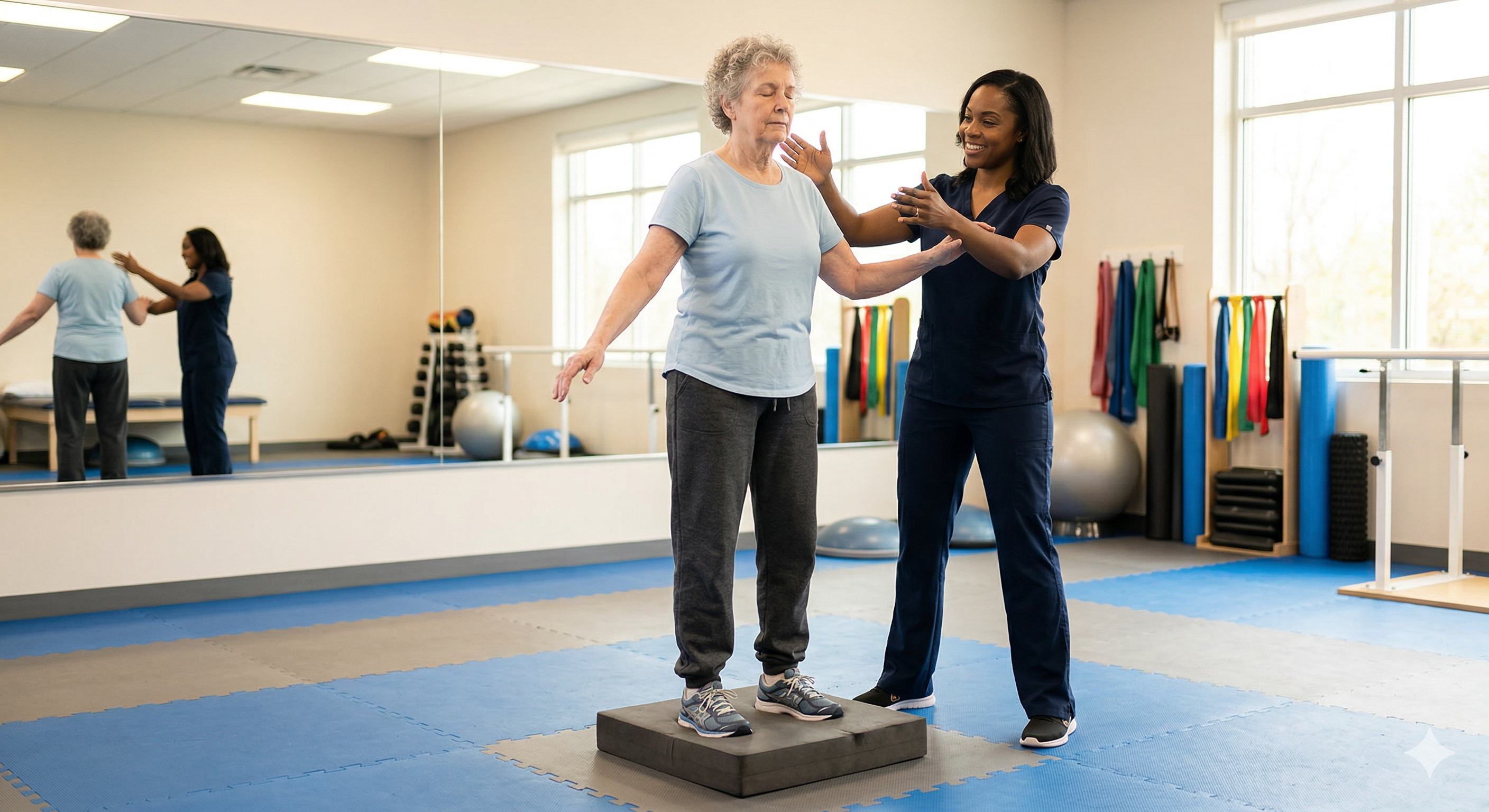
Increased function. Patients report being able to walk longer distances, stand more comfortably, sleep better, and return to activities they had been avoiding.
We typically recommend two to three visits per week during the initial phase of treatment, with sessions lasting 45 to 60 minutes. Most programs run for 8 to 12 weeks, though some patients benefit from ongoing maintenance visits.
Living with Neuropathy: What You Can Do at Home
In addition to your physical therapy program, there are several things you can do at home to support your recovery and manage your symptoms.
Check your feet daily. If you have reduced sensation in your feet, you may not notice cuts, blisters, or pressure sores. A quick visual check every day can prevent small problems from becoming serious.
Wear supportive footwear. Shoes with firm soles, good arch support, and a wide toe box protect your feet and improve your stability. Avoid walking barefoot, especially on uneven surfaces.
Stay active. Regular walking, even short distances, helps maintain circulation to your nerves and prevents the deconditioning that makes neuropathy symptoms worse. Your therapist will give you specific guidelines for how much activity is appropriate for your situation.
Manage blood sugar. If your neuropathy is related to diabetes, keeping your blood sugar within target ranges is one of the most important things you can do to slow nerve damage progression.
Follow your home exercise program. The balance, strengthening, and sensory exercises your therapist gives you are designed to maintain and build on the gains you make in the clinic. Consistency matters.
Neuropathy Treatment Across New Jersey
NJ Rehab Experts provides neuropathy rehabilitation at all four of our locations in Jersey City, Clifton, Secaucus, and West Windsor. Our NeuroMed Electroanalgesia system is available at every clinic.
Our Jersey City location treats patients from Hoboken and Bayonne. Our Clifton clinic serves patients from Passaic, Paterson, and Wayne. And our West Windsor location is convenient for residents of East Brunswick and Princeton.
We also treat conditions that frequently accompany neuropathy including orthopedic injuries, balance and vestibular disorders, posture problems, and geriatric rehabilitation for older adults managing multiple health conditions.
Learn more about our team and our approach to patient care.
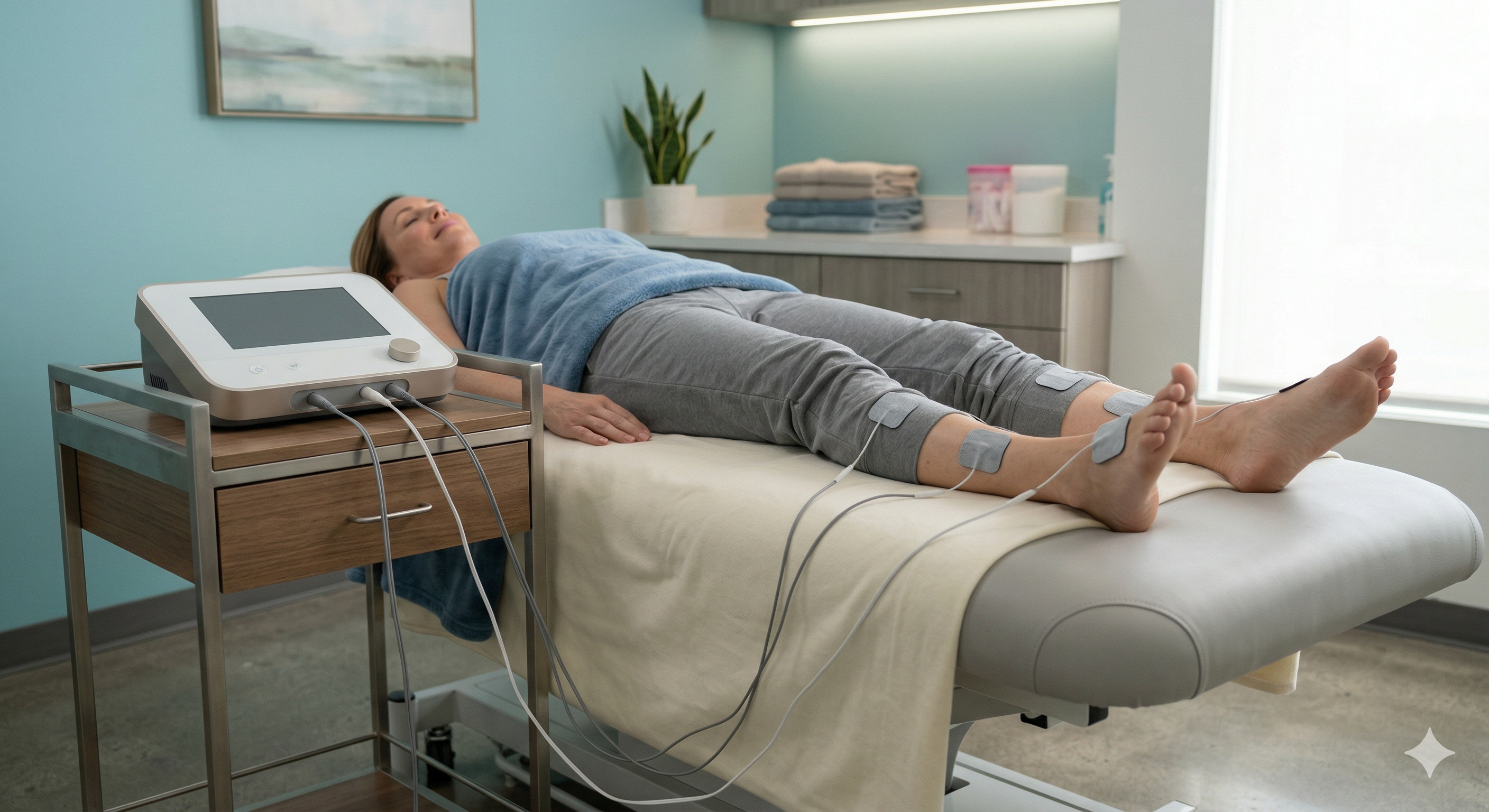
Take the First Step Toward Nerve Pain Relief
Neuropathy does not have to control your life. Even if you have been told nothing more can be done, our treatment approach, especially the NeuroMed Electroanalgesia system, has helped patients who had given up on finding relief.
Call NJ Rehab Experts today at (212) 227-3233 or book your appointment online.
Same-week appointments are available at most locations. Our staff can verify your insurance benefits before your first visit through our insurance verification page.
Over 400 five-star reviews. Over 15 years of experience. Four locations across New Jersey. Let us help you feel better.
