Regenerative
Rehabilitation in NJ
Where regenerative medicine meets expert physical therapy in Jersey City, Clifton, Secaucus, and Iselin. We combine advanced treatments like PRP therapy, shockwave therapy, and targeted rehabilitation protocols to help your body repair damaged tissue, reduce chronic pain, and restore function without surgery or long-term medication.
What is Regenerative Rehabilitation?
Regenerative rehabilitation is an emerging field that combines regenerative medicine treatments with structured physical therapy to maximize tissue repair and functional recovery. Rather than relying on regenerative procedures alone, research shows that pairing these treatments with targeted rehabilitation protocols significantly improves outcomes by providing the mechanical stimulation that healing tissues need to regenerate properly.
At New Jersey Rehab Experts, our program integrates PRP injections, extracorporeal shockwave therapy, and other regenerative modalities with carefully phased rehabilitation protocols. This combination helps your body's natural healing mechanisms work at their best, delivering results that neither treatment achieves alone.
- Chronic tendon injuries that have not responded to traditional PT
- Osteoarthritis and joint degeneration (knee, hip, shoulder)
- Patients seeking non-surgical alternatives for musculoskeletal pain
- Athletes looking to accelerate healing and return to sport faster
- Post-injection patients who need guided rehabilitation for optimal results
Comprehensive Regenerative Care
Targeted regenerative treatment and rehabilitation for conditions that have not fully responded to traditional approaches.
Regenerative Treatment Modalities
Advanced regenerative therapies paired with evidence-based rehabilitation to maximize tissue healing and functional recovery.
PRP Therapy
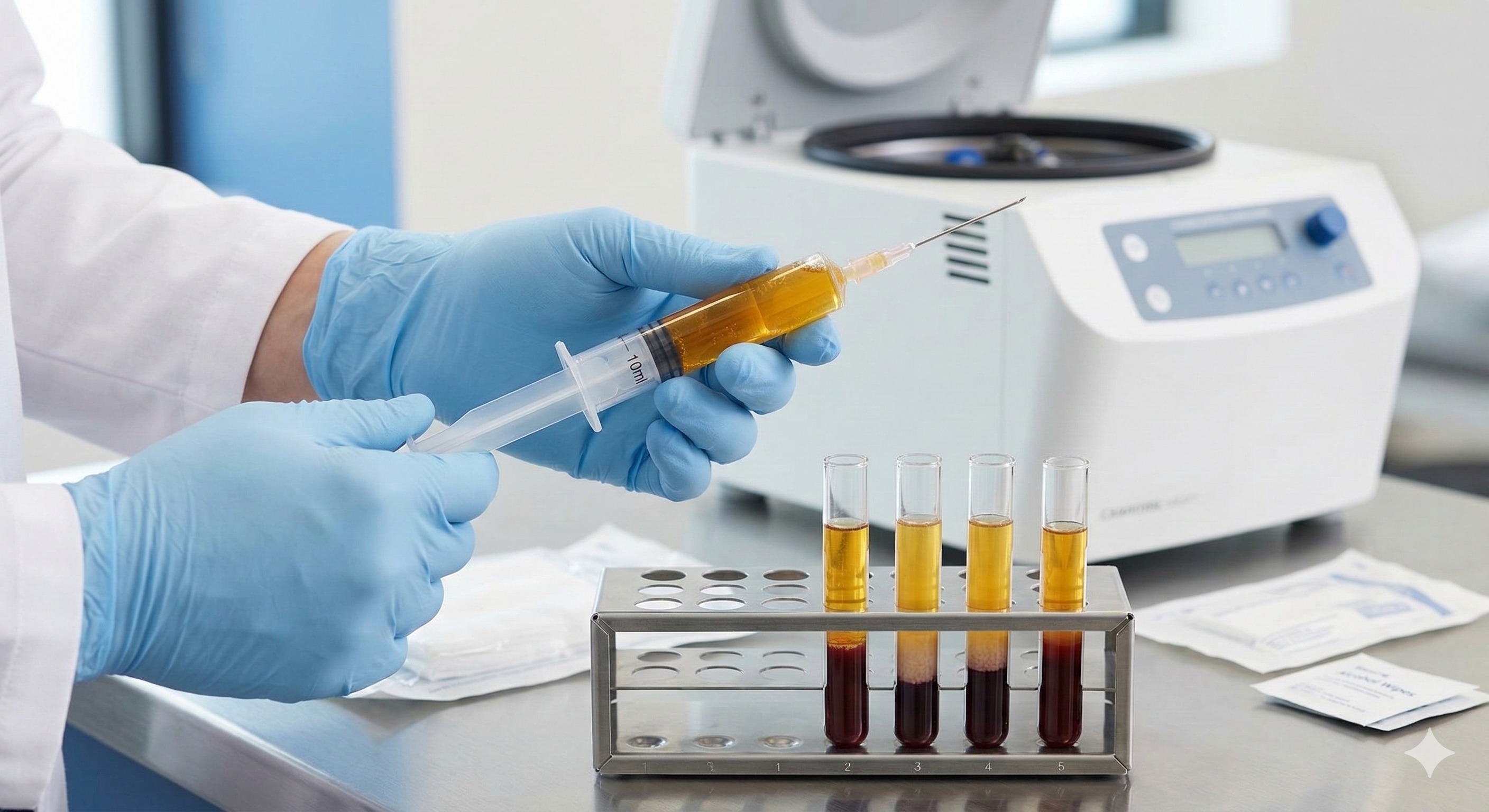
Platelet-rich plasma injections concentrate your body's own growth factors and deliver them directly to damaged tissue, accelerating the natural healing cascade in tendons, ligaments, and joints.
Shockwave Therapy (ESWT)
High-energy acoustic waves stimulate blood flow, break down scar tissue and calcifications, and trigger your body's natural healing response in chronic tendon and soft tissue conditions.
Phased Rehabilitation Protocols
Carefully structured post-treatment exercise programs that progress from protected healing to eccentric loading and functional training, providing the mechanical stimulation that regenerating tissue requires.
Manual Therapy
Hands-on techniques including joint mobilization, soft tissue work, and myofascial release to optimize tissue environment, improve circulation, and support the regenerative healing process.
Eccentric Training Programs
Specialized eccentric exercise protocols shown to promote tendon remodeling and collagen alignment, particularly effective when combined with PRP and shockwave for tendinopathy treatment.
Functional Restoration
Progressive return-to-activity programming including neuromuscular re-education, sport-specific drills, and biomechanical correction to prevent re-injury and ensure lasting recovery.
The Benefits of Our Approach
Heal the Root Cause, Not Just Symptoms
Regenerative treatments target the actual damaged tissue for repair, while rehabilitation ensures proper healing mechanics. Together, they address why you hurt, not just where.
Faster Return to Activity
Research shows athletes receiving PRP combined with rehabilitation returned to play in an average of 27 days versus 43 days with rehabilitation alone for acute hamstring injuries.
Avoid or Delay Surgery
Many patients with chronic tendon injuries, mild to moderate arthritis, and soft tissue damage find that regenerative rehabilitation provides enough relief and recovery to avoid surgical intervention.
Long-Term Results Over Quick Fixes
Unlike cortisone injections that provide temporary relief but can weaken tissue, regenerative approaches promote actual tissue repair with outcomes that last years, not weeks.
What to Expect
A carefully phased program designed to maximize the healing effects of your regenerative treatment
Evaluation and Treatment Planning
Comprehensive assessment of your injury, previous treatments, imaging, and functional limitations. We determine which regenerative modality is right for you and build a phased rehabilitation roadmap to pair with your treatment.
Phase 1: Protection and Early Healing (Weeks 1 to 2)
Following your regenerative treatment (PRP, shockwave, or other modality), this phase focuses on protected rest, gentle range of motion, and light isometric exercises. No anti-inflammatory medications are used during this window to avoid disrupting the healing cascade.
Phase 2: Progressive Loading (Weeks 2 to 6)
Physical therapy begins 2 to 3 times per week with eccentric exercises, stretching, manual therapy, and low-impact cardio. Load is gradually increased using pain as a guide, providing the controlled mechanical stimulation that regenerating tissue needs to remodel properly.
Phase 3: Functional Restoration (Weeks 6 to 12+)
Full strength and neuromuscular control training, sport-specific or work-specific exercises, and biomechanical correction to prevent re-injury. Most patients see full response by 2 to 3 months. Additional treatments may be administered if needed.
What to Bring and Know
Bring to Your Appointment:
- Insurance card and photo ID
- MRI, X-ray, or ultrasound imaging results
- List of current medications (especially anti-inflammatories)
- Physician referral or injection records (if post-PRP)
- History of previous treatments attempted
Important Notes:
Stop taking NSAIDs (ibuprofen, naproxen, aspirin) at least 7 days before any PRP procedure and for a minimum of 2 weeks after. Anti-inflammatories can interfere with the healing cascade that regenerative treatments depend on. Tylenol (acetaminophen) is acceptable for pain management. Wear comfortable athletic clothing that allows access to the treatment area. Plan for modified activity levels during the early healing phase.
Frequently Asked Questions
Get answers to common questions about regenerative rehabilitation.
Ready to Heal, Not Just Manage?
Stop masking pain with medications and temporary fixes. Our regenerative rehabilitation program targets the actual source of your injury to promote real tissue repair and lasting recovery. Schedule your consultation today.